
Are you using the wrong temporary storage solution?

There are times when your business needs more storage capacity. Increased production for seasonality, supply chain disruption, or refurbishment projects are just some examples. So when you need more space, what are your options? What are the best options for your business? Here’s our guide…
Controlling temperature in a temporary space

When you add a temporary space for your business, one of the earliest questions to answer is about temperature. Depending on what is going into the space, the temperature requirements can vary considerably, and this is where insulation comes in.
Pros and Cons of Warehousing Options
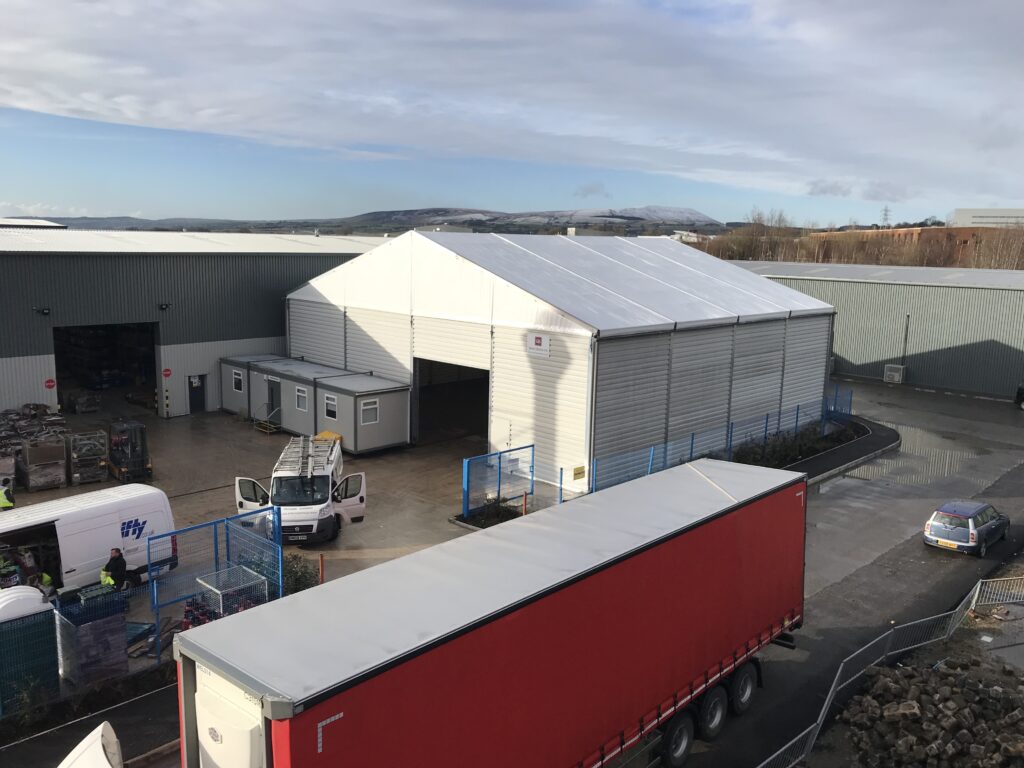
When a growing business begins feeling the squeeze on space, warehousing becomes a strategic decision, not just a storage problem. Whether you manufacture, assemble, or distribute, the way you expand capacity affects cash flow, efficiency, and long-term flexibility. There are three common options:
1. Temporary warehouses on your site
2. Permanent warehouse on your site
3. Leasing warehouse space somewhere else
Here is a clear look at the advantages and drawbacks of three common options.
How to Manage Condensation and Moisture in Warehouses with Flexible PVC Roofs

Condensation and moisture are among the biggest challenges in warehouses and temporary buildings. Effective moisture management in these buildings focuses on airflow, drainage, and careful environmental monitoring rather than relying solely on insulation.
How Temporary Warehouses Help You Benefit from Economies of Scale
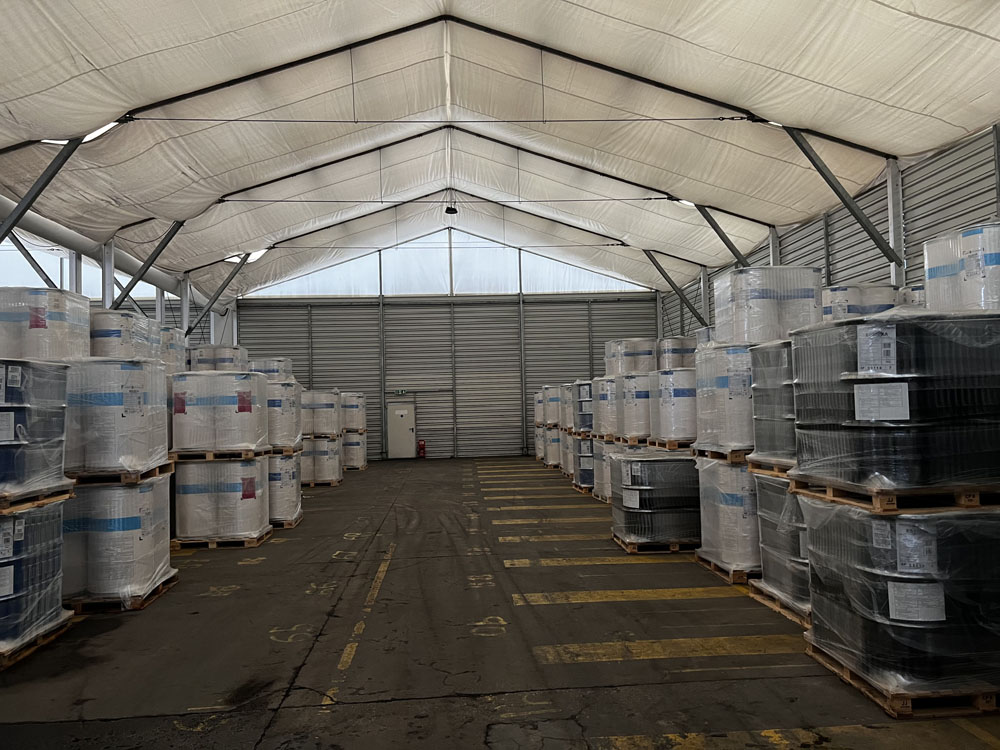
One of the most effective ways to increase profitability is by taking advantage of economies of scale. By producing or purchasing in larger quantities, you can reduce your unit costs, negotiate better supplier terms, and spread fixed expenses over a greater output. The challenge, however, is that larger volumes require more space for storage and handling. This is where a temporary warehouse becomes a powerful tool for your business.
How temporary warehouses withstand bad weather
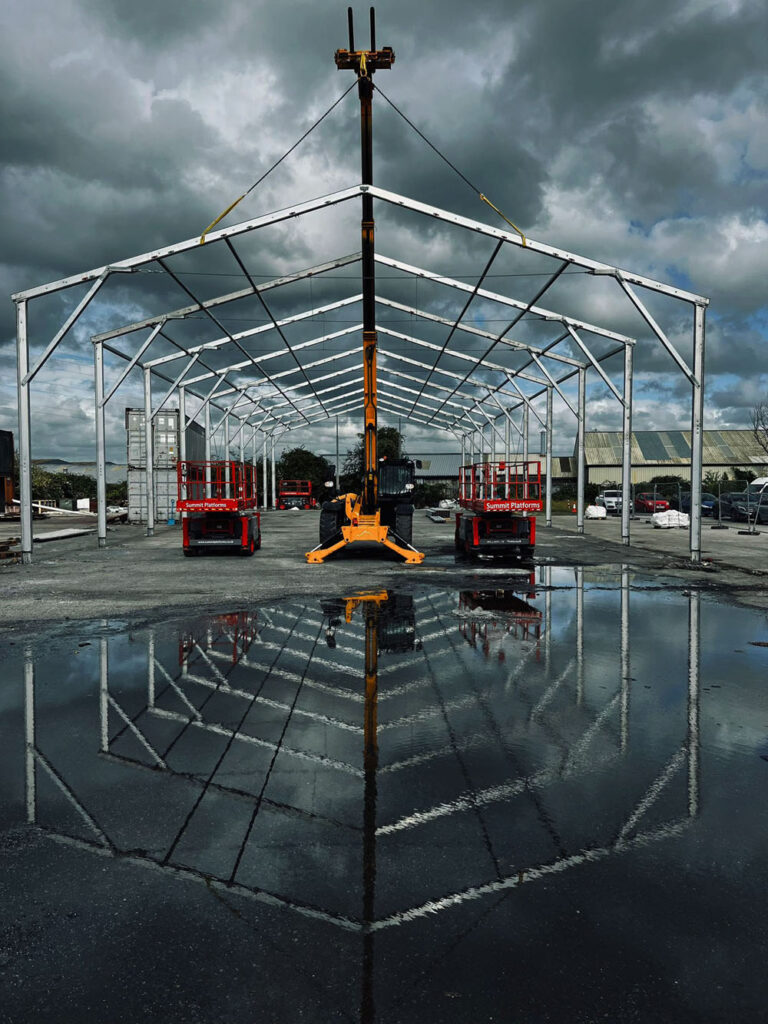
British weather is not traditionally known for being extreme, but we are increasingly seeing high winds, heavy rain and, on occasion, heavy snowfall. Here’s how we ensure our temporary warehouses protect what you need to store or do within them.
Temporary structures are often regarded as lightweight and easy to construct; that’s not always the case anymore. Modern designs have evolved significantly and incorporate a wide range of engineering features enabling them to perform reliably in challenging conditions.
How to Reduce Theft by Using Temporary Warehouses
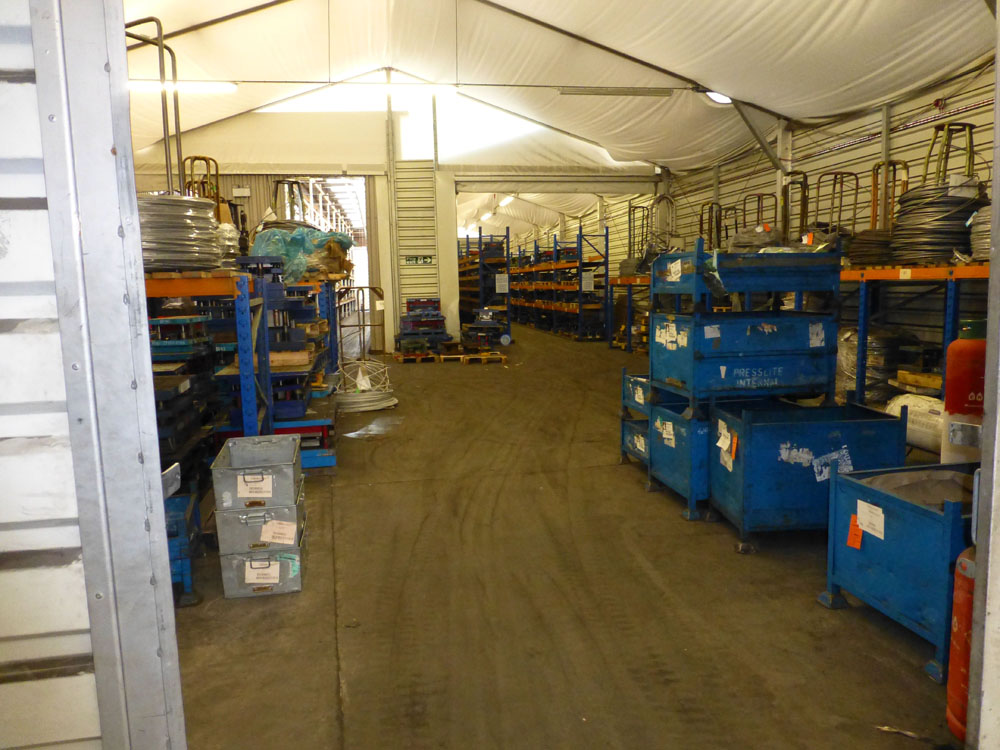
Theft remains one of the most persistent threats in the logistics industry. Whether it’s opportunistic pilferage, organised cargo crime, or insider theft, losses can be substantial, damaging your reputation, disrupting operations, and inflating insurance premiums. In the UK, where supply chains often involve multiple handovers and extensive storage, these risks are particularly acute.
Temporary warehouses, often seen simply as overflow or seasonal solutions, can actually play a vital role in reducing theft. Used intelligently, they become a key part of your loss prevention and security strategy, offering flexibility and control that traditional fixed facilities may not.
How to create the right access to your temporary warehouse
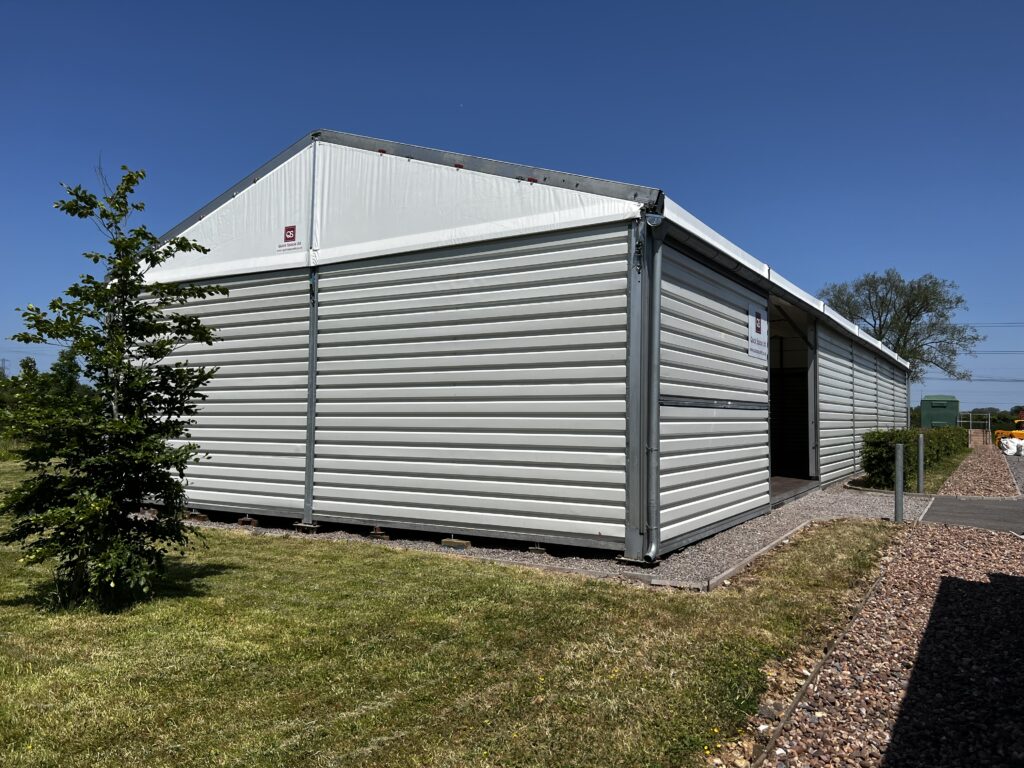
Creating the right access to a temporary warehouse is vital if you want to maintain smooth operations, protect your stock, and ensure the safety of everyone on-site. Whether you’re storing raw materials, finished goods or machinery, your access arrangements need to support efficient logistics while complying with health and safety regulations.
Here’s how to get it right from the outset.
How manufacturing firms can benefit from temporary warehouses
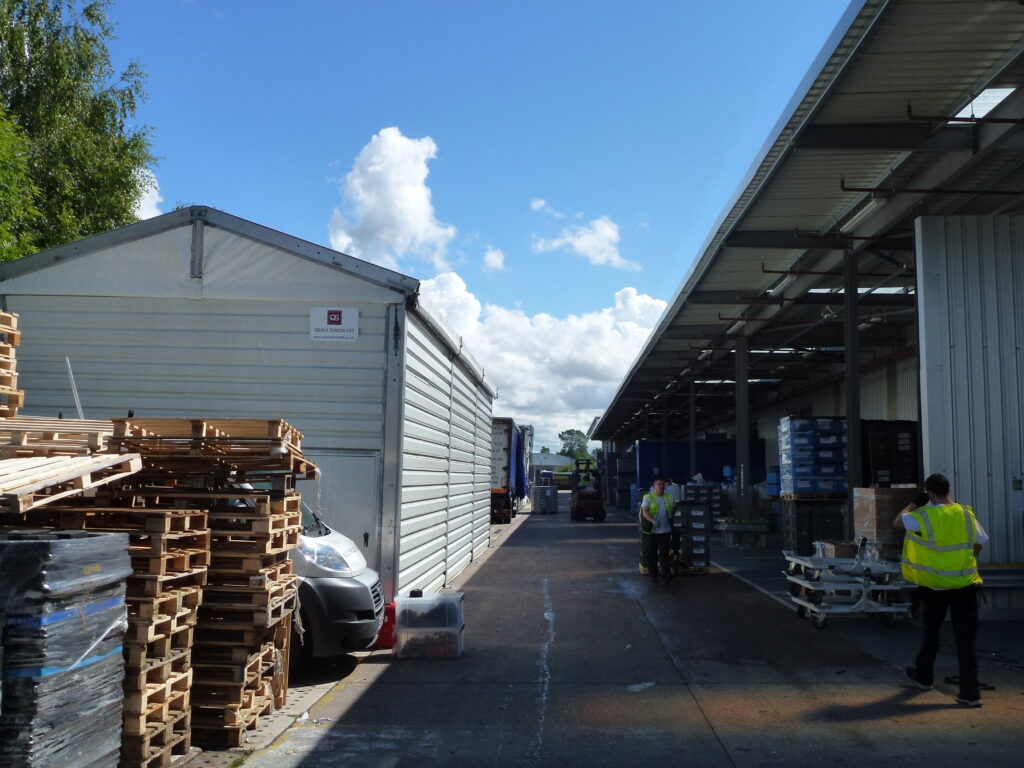
A temporary warehouse can bring real benefits to your manufacturing operation in the UK, particularly if you need extra space fast or want to stay agile in a competitive market. Whether you’re reacting to a seasonal spike, planning a site expansion, or managing a supply chain issue, a temporary facility offers flexible, cost-effective storage and operational space without tying you into a long-term commitment. Here’s 5 benefits for you…
Grow your business with a temporary warehouse
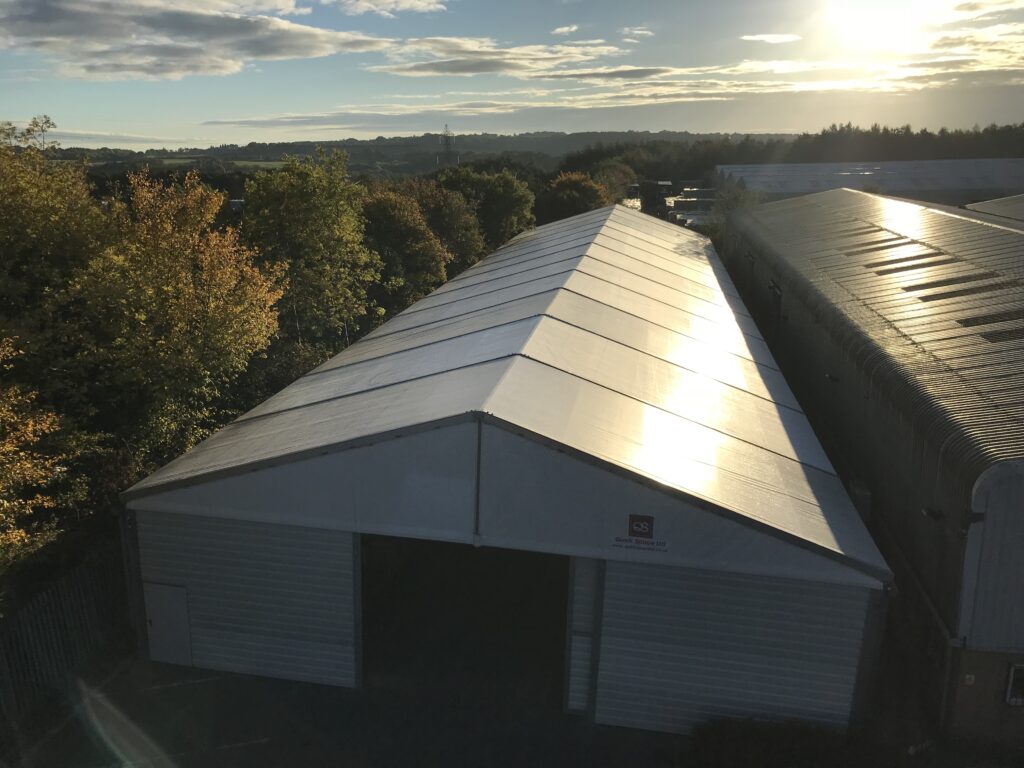
Extend your storage capacity in a matter of days with one of our modular warehouses. They’re ideal for creating additional space quickly, easily and with minimal risk or capital outlay.